Health & Safety Policy — Business Waste Removal Tower Hamlets
We are committed to protecting the health, safety and welfare of our team, clients and the public in all activities relating to commercial rubbish removal in and around the borough. This policy sets out the measures, responsibilities and procedures we implement to reduce risk associated with business waste collection and rubbish company service area operations. The policy applies to all staff, contractors and sub-contractors engaged in waste handling, transportation and disposal.Policy Objectives
The objectives of this health and safety policy are to: maintain safe working environments for all personnel; ensure safe handling and segregation of waste streams; minimise environmental and public risk; and comply with applicable health and safety regulations. We adopt a risk-based approach to operational planning for commercial waste removal services, emphasising prevention, training and continual improvement. All employees are expected to participate actively in achieving these objectives.
Scope and Service Area Considerations
This policy covers routine and non-routine tasks associated with business waste removal, including collection, loading, transport, storage and transfer of commercial and mixed waste types across our rubbish company service area. It addresses interactions with client premises, public spaces and third-party sites. While the policy is drafted to reflect operations in Tower Hamlets, it is structured to remain broadly applicable across similar urban service areas where business waste collection risks and controls are common.Roles and Responsibilities
The following responsibilities are adopted to ensure safe operations and compliance with health and safety requirements. Management must: establish and maintain this policy, provide resources for safe systems of work, and monitor performance. Supervisors must ensure safe methods are implemented and provide on-the-job guidance.Employees must follow safe working procedures, use personal protective equipment, report hazards and incidents promptly, and participate in required training. Contractors and temporary staff must meet the business's health and safety standards before commencing work. The following list summarises key responsibilities:
- Management: policy, resources, audits
- Supervisors: procedures, supervision, competence checks
- Operators and Crew: PPE, equipment checks, reporting
- Contractors: compliance with site rules and waste handling standards

Risk Assessment and Control Measures
All tasks associated with business waste removal Tower Hamlets are subject to risk assessment. Identified hazards include manual handling injuries, slips and trips, sharps and contaminated waste, vehicle movement and traffic interaction, fire risks, and exposure to hazardous substances. Controls implemented include:- Task-specific risk assessments and documented safe systems of work
- Mechanical aids and correct manual handling techniques to reduce musculoskeletal harm
- Segregation of hazardous waste, secure containment and clear labelling
- Traffic management plans, vehicle exclusion zones and high-visibility clothing
- Regular maintenance and inspection of vehicles and equipment
Training, Competency and Supervision
We provide tailored training for all staff engaged in rubbish collection and business waste collection activities. Training covers safe handling, spill response, use of lifting equipment, PPE selection, and emergency procedures. Competency is assessed through practical checks and periodic refreshers. Supervisors are responsible for ensuring that staff operate within their competency limits and receive adequate on-site support.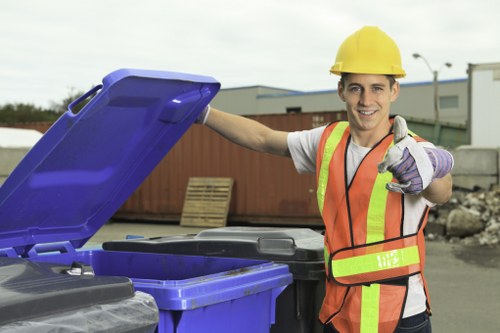
Personal Protective Equipment (PPE) and Health Measures
PPE is provided according to task risk assessments and includes gloves, high-visibility garments, steel-toe footwear, eye protection and respiratory protection where required. It is mandatory that PPE be worn correctly and maintained. Health measures include vaccination awareness (where appropriate), first-aid provision, and programs to monitor manual handling load limits and team welfare.Safe Working Procedures and Waste Handling
Safe working procedures define how staff must carry out specific tasks such as bin emptying, bulky item handling, compacting operations and segregation of recyclable versus non-recyclable materials. Procedures emphasise safe lifting practices, the use of mechanical lifting equipment for heavy or bulky loads, and avoidance of overloading receptacles. Housekeeping standards are maintained at all operational sites to prevent trip hazards and to ensure clear access for emergency services.
Vehicle Operations, Loading and Traffic Safety
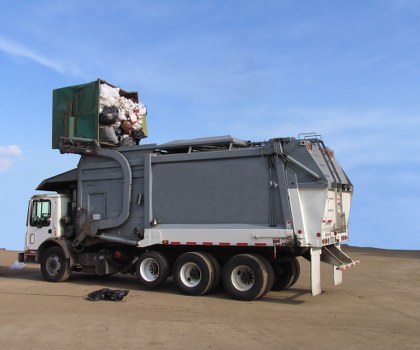
Vehicles used for rubbish collection are subject to daily checks before use and scheduled maintenance. Drivers and crew receive training in defensive driving, vehicle loading stability, safe reversing protocols and interaction with pedestrians. Loading operations are organised to ensure safe access and egress, clear communication between crew members and minimisation of manual handling risks.Emergency Procedures and Incident Reporting
Clear emergency procedures are in place for incidents such as spills, fires, collisions, injuries and hazardous exposures. All incidents and near-misses must be reported immediately and are investigated to identify root causes and corrective actions. Records of incidents, medical treatment and follow-up actions are maintained and reviewed to support continuous improvement.Monitoring, Audit and Review
Performance is monitored through regular site inspections, audits, toolbox talks and review of incident trends. Key performance indicators include incident frequency, completion of risk assessments, training completion rates and maintenance compliance. This policy is reviewed annually or following significant incidents, legislative changes or operational changes affecting the rubbish company service area.Contractors, Sub-Contractors and Supply Chain
Where external contractors are engaged for specialist tasks, they must demonstrate suitable health and safety management, provide method statements and evidence of competence. Contract supervision ensures that their activities align with this policy and with any client-specific safety requirements. Non-compliant behaviour is addressed promptly to protect employees and the public.Policy Implementation and Commitment
Management and staff are jointly committed to the effective implementation of this health and safety policy for business waste removal operations. Continuous engagement, adequate resourcing and a culture of safety form the basis of our approach to delivering reliable, safe and lawful commercial waste removal services across our service area. The policy is made available to all staff and retained as a living document subject to regular review.Key Principles
- Prevention: eliminate and reduce risks where possible
- Protection: provide controls, PPE and training
- Participation: involve workers in safety decisions
- Compliance: meet statutory obligations and good practice
End of Policy — This health and safety statement is intended to support safe, consistent and legally compliant delivery of business waste removal and commercial rubbish removal activities. It should be used alongside operational procedures and documented risk assessments.
