Bow estate bulky rubbish collection options in Tower Hamlets
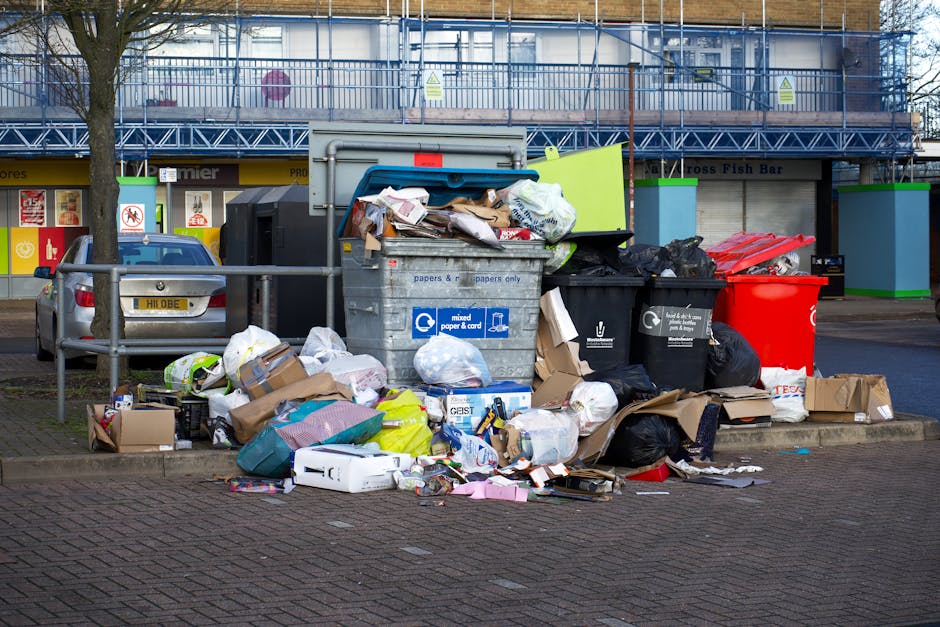
If you live on an estate in Bow and bulky items are starting to take over the hallway, the shed, the balcony, or that awkward corner by the bin store, you are not alone. Bow estate bulky rubbish collection options in Tower Hamlets can feel confusing at first, especially when you are juggling access issues, lift times, parking, and the question of what can actually be taken away. The good news is that there are several sensible ways to clear large household waste, and the right choice usually comes down to speed, cost, building access, and the type of items you need removed.
This guide breaks the topic down in plain English. You will see how bulky rubbish collection normally works on estates, what to consider before booking, which option tends to suit different situations, and how to avoid the small mistakes that can turn a simple clearance into a long day of faffing about.
Why Bow estate bulky rubbish collection options in Tower Hamlets Matters
Bulky waste is one of those things that seems easy until you are actually standing in front of it. A broken wardrobe, a sagging sofa, an old mattress, or a fridge that hums one last time and gives up. On a Bow estate, those items can become a real nuisance very quickly because shared spaces are tighter, access is more controlled, and neighbours notice clutter fast. To be fair, nobody wants a chest of drawers sitting by the bin compound for three days while everyone else walks past it.
Choosing the right bulky rubbish collection option matters for more than convenience. It helps keep communal areas tidy, reduces blockages in walkways, and lowers the chance of damage to walls, lifts, and stairwells. It also helps you avoid the classic trap of putting something out too early or in the wrong place, then having to drag it back inside. Not exactly fun on a damp Tuesday evening.
There is also a practical cost angle. Some people book the first service they see, but the cheapest option is not always the best one for estate living. If access is awkward, if several items need carrying down multiple floors, or if your bulky rubbish includes mixed materials, the wrong choice can end up taking longer and costing more than expected.
Expert summary: On Bow estates, the smartest bulky waste plan is usually the one that matches access, item type, and urgency rather than simply the one with the lowest headline price.
How Bow estate bulky rubbish collection options in Tower Hamlets Works
In most cases, bulky rubbish collection follows a simple pattern: you identify what needs removing, check whether it is accepted, choose a collection method, and arrange a time when access will be possible. The details matter, though. Estate layouts in Bow can vary a lot, and the same item can be straightforward in one block and a nuisance in another.
Typically, a collection service will ask what you want removed, where the items are located, and whether there are any access issues such as steps, narrow corridors, gated entry, or parking restrictions. If you have a lift booked, security entry, or a time window when the concierge is available, say so early. It saves a lot of back and forth.
For mixed household waste, many people also look at broader waste removal support, especially when bulky items are only part of a bigger clear-out. If the job includes furniture, old appliances, or a full flat clear-down, services such as furniture disposal or mattress and sofa disposal may be a better fit than treating everything as general rubbish.
If you are clearing a whole property or preparing for a move, options like flat clearance, house clearance, or even home clearance can be more efficient because they are built around larger volumes and a more coordinated removal process.
In practice, the process is less about "dumping rubbish" and more about planning a tidy exit route for items that are bulky, heavy, or awkward to move. Simple enough once you know the steps. Until then, it can look like a minor logistics puzzle.
Key Benefits and Practical Advantages
The biggest advantage of using a proper bulky rubbish collection option is obvious: you get the space back. But there are a few other benefits that matter just as much, especially in estate settings where shared access is part of daily life.
- Less disruption for neighbours: Items are removed in one go rather than left outside for days.
- Safer communal areas: Hallways, stairwells, and bin stores stay clearer and easier to use.
- Better handling of heavy items: Large furniture and appliances are moved by people who are used to awkward lifts and tight turns.
- More predictable timing: You can often choose a collection slot that fits around work, school runs, or building access times.
- Cleaner recycling outcomes: Reusable and recyclable materials can be separated more sensibly than if everything is shoved into one corner and forgotten.
For Bow residents, another quiet advantage is avoiding the "let's just leave it there for now" habit. We all do it. A chair becomes a landing perch for shopping bags, then a laundry pile, then a permanent feature. Bulky rubbish collection puts an end to that spiral and gives the room back its shape.
If the items are still in decent condition, it can also be worth considering whether a dedicated furniture-focused service is more appropriate. A mixed load can often include items that are better handled through furniture clearance rather than general rubbish removal, particularly where a few larger pieces are the main problem.
Who This Is For and When It Makes Sense
This topic is relevant to a surprisingly wide range of people. Estate living tends to concentrate the same problems in a smaller space, so bulky waste becomes everyone's issue sooner than they expect.
- Tenants and leaseholders who need to remove a sofa, bed frame, wardrobe, or broken white goods.
- Landlords and letting agents dealing with left-behind items between tenancies.
- Families clearing old furniture after a room reorganisation or house move.
- People downsizing who need a quick, calm way to deal with excess belongings.
- Home renovators with large packaging, old cabinets, or stripped-out fixtures.
- Anyone with mobility limits who cannot safely carry heavy items down stairs.
It makes sense when you have one or more items that are too big for standard household bins, too awkward for you to move alone, or too time-sensitive to leave sitting around. If your flat is being emptied after a move, a bereavement, or a long-overdue clear-out, services such as house clearance or loft clearance can also reduce the mental load. That bit matters, honestly.
One small but important note: if you are dealing with items that are damp, damaged, infested, or contaminated, tell the provider upfront. It changes the handling approach, and it is much better to be clear than to spring it on someone at the door. Nobody enjoys unpleasant surprises at 8:15 in the morning.
Step-by-Step Guidance
If you want to keep the process simple, work through it in order. It takes a bit of thought at the start, but you save time later.
- List the items clearly. Write down what needs to go, including sizes where possible. A quick photo can help too.
- Separate bulky waste from hazardous materials. Paint, chemicals, and some electricals need different handling. If in doubt, ask before booking.
- Check building access. Note floor level, lift size, parking limits, entry codes, and any loading restrictions.
- Choose the right collection type. For a few items, a simple removal may be enough. For a larger load, look at full-property services.
- Confirm timing. Try to book a slot that matches your access window and avoids busy shared areas.
- Prepare the route. Move smaller objects out of the way, unlock gates if needed, and make sure the items can be reached safely.
- Ask about sorting and recycling. If you care about reuse and diversion from landfill, ask how the waste is processed.
- Keep the paperwork or booking details. It helps if you need to check timing, payment, or collection notes later.
If the job includes business contents, paperwork, or office furniture from a live workspace, it may be worth looking at business waste removal or office clearance instead of treating it as domestic bulky waste. Different settings, different expectations.
And yes, a bit of prep makes a real difference. A hallway clear of shoes, prams, and umbrella stands can shave minutes off the job. Not glamorous, but practical.
Expert Tips for Better Results
After a lot of clearances, a few patterns become obvious. The jobs that go smoothly usually share the same habits.
- Photograph everything before collection. It helps with pricing, access planning, and avoiding misunderstandings.
- Measure large items. A sofa that looks "normal size" in a room can be surprisingly awkward in a narrow stairwell.
- Check what can be dismantled. A wardrobe taken apart into manageable sections is easier to remove than a single heavy unit.
- Keep pathways clear. This is especially important on estates where turns are tight and people may be passing through.
- Group items by type. Furniture, appliances, and mixed household junk are easier to assess when they are not all piled together.
- Think about reuse first. If something still has life in it, it may be better to separate it from waste at the start.
One useful habit is to decide the night before exactly what is going, then leave it ready by the morning. That way you are not hunting for an old lamp base while the collection team is already on site. We have all had that moment: "Wait, where did that go?"
If sustainability matters to you, take a look at the provider's approach to recycling and reuse. A service with a clear recycling and sustainability policy is usually a better fit for people who want bulky items handled responsibly rather than just whisked away.
Common Mistakes to Avoid
The most common problems are not dramatic. They are little things that snowball.
- Leaving items in the wrong place. A stairwell, fire exit, or shared landing is not a storage area, even for "just one night."
- Not telling the collector about access issues. If there is no lift, no parking, or a gated entrance, say so early.
- Mixing bulky waste with restricted items. Some waste needs special handling, especially anything classed as hazardous.
- Booking the wrong type of service. A few chairs is one thing; clearing a whole flat is another.
- Assuming everything will be taken. Always confirm item acceptance first, especially for appliances or unusual materials.
- Waiting until the last minute. On an estate, delay often means extra stress, not just extra clutter.
There is also a quieter mistake: underestimating the emotional side. Clearing a room can be straightforward on paper, but real life is messier. A spare bed, an inherited cupboard, the old desk where someone studied for years... those things carry memory. It is okay to take a breath before letting them go.
Tools, Resources and Recommendations
You do not need fancy equipment to handle bulky rubbish well, but a few practical tools make life easier.
- Measuring tape: Useful for checking whether items fit through doors or down stairwells.
- Phone camera: Good for recording item condition and access points.
- Marker pen and labels: Helpful if you are separating keep, donate, and remove piles.
- Basic gloves and sturdy shoes: Sensible if you are moving smaller items before the collection.
- Simple checklist: Keeps everyone on the same page, especially in shared homes.
For readers who want to understand what normally goes in a vehicle load, the page on what can go in a skip is a useful reference point, even if you are not actually hiring a skip. It helps set expectations around common waste categories and the kinds of things that need a second look.
If you are dealing with heavy appliances, it is sensible to consider dedicated support such as fridge and appliance removal. Likewise, if the bulky rubbish is really part of a much larger clear-out, a broader home clearance can save you from arranging two separate jobs.
Law, Compliance, Standards, or Best Practice
Without getting overly legal about it, there are a few sensible standards to follow in Tower Hamlets and across the UK. First, waste should be handled by people who understand what they are moving and where it should go. Second, you should never leave bulky items in a way that blocks communal access, fire routes, or shared building spaces.
Hazardous or awkward items need extra care. If something may contain refrigerants, oils, chemicals, sharp parts, or other risky materials, it should be separated and handled properly. A good provider should be able to explain the difference in plain English. If they cannot, that is a little red flag, frankly.
It is also sensible to choose a company that treats safety, insurance, and data handling responsibly. You can review pages such as health and safety policy, insurance and safety, and, where relevant, confidential shredding if paperwork or records are involved. Those details may not be exciting, but they matter when a job gets more complex than a sofa and a lamp.
Best practice on an estate usually means keeping the route clear, giving accurate information, and making sure nothing is dumped in communal areas while you wait for collection. Small thing, big difference.
Options, Methods, or Comparison Table
There is no single best option for everyone. Bow estate bulky rubbish collection options in Tower Hamlets generally fall into a few practical approaches, and the right one depends on what you need removed.
| Option | Best for | Strengths | Possible drawbacks |
|---|---|---|---|
| Single bulky item collection | One or two large items | Simple, quick, low fuss | Less efficient for bigger loads |
| Furniture clearance | Sofas, wardrobes, tables, beds | Good for mixed furniture loads | May not suit non-furniture waste |
| Flat or home clearance | Multiple rooms or a full clear-out | Comprehensive and time-saving | More planning needed |
| Specialist appliance removal | Fridges, washers, cookers, similar items | Better handling of heavy units | Needs clear item identification |
| General waste removal | Mixed non-hazardous waste | Flexible and versatile | May be less targeted than specialist options |
If your bulky rubbish is part of a renovation, the best route may instead be builders waste clearance. That is especially true when the pile includes plasterboard offcuts, broken units, packaging, or other post-work debris. Not every pile of junk is the same, and the service should match the mess.
Case Study or Real-World Example
Here is a realistic example. A resident in a Bow estate had a worn-out three-seater sofa, a broken chest of drawers, and an old mattress occupying half the living room. The lift in the block was small, the corridor was narrow, and the building had a controlled entry system. The items were too large to move safely alone, and leaving them by the bin store was not an option because the estate was busy and the team needed a tidy route.
The best approach was to group the items, take clear photos, and confirm the access details in advance. The sofa needed to be moved first because it was the largest item. The drawers were partly emptied and the mattress was kept dry and ready by the front door. The whole job was completed in one visit, with the route kept clear and the communal area left clean afterwards.
The key lesson? Preparation did most of the heavy lifting. The removal itself was the easy part. That is often the way. A little planning on a Thursday afternoon can spare you a lot of hassle on Friday morning.
Practical Checklist
Use this before you book, or even before you start moving items around.
- List every bulky item you want removed.
- Separate furniture, appliances, and mixed rubbish.
- Check for hazardous or restricted items.
- Measure doorways, lifts, and stair turns if access looks tight.
- Confirm where collection can happen safely.
- Note any parking, loading, or entry restrictions.
- Choose a time when the route is least busy.
- Ask about recycling, reuse, and disposal methods.
- Keep the path clear on the day.
- Double-check the booking details before collection.
If the clearance is happening alongside a larger life change, such as moving out or reorganising a long-neglected room, you may also find garage clearance and loft clearance helpful for other storage-heavy areas. One job at a time, though. No need to turn the whole place upside down in a single afternoon.
Get a free quote today and see how much you can save.
Conclusion
Bow estate bulky rubbish collection options in Tower Hamlets are really about finding the balance between convenience, access, and responsible disposal. If you only have one awkward item, a quick collection may be enough. If you are dealing with several large pieces, or a full home clear-out, a more structured service will usually save time, stress, and a bit of sore back syndrome too.
The best results usually come from clear information, honest access details, and a service that understands estate living in London. Keep the route clear, be realistic about what needs removing, and choose the option that fits the job rather than forcing the job into the wrong option.
And if today is one of those days where the clutter feels oddly bigger than the room itself, take heart. It usually looks worse before it looks better. Then, all at once, the space returns. Quietly. Properly.
Frequently Asked Questions
What are the main Bow estate bulky rubbish collection options in Tower Hamlets?
The main options are single-item collection, furniture clearance, appliance removal, general waste removal, and larger clearances such as flat or home clearance. The right one depends on how many items you have and how easy they are to access.
Can bulky rubbish be collected from a flat on an estate?
Yes, as long as the access details are clear and the items can be moved safely. Lift size, stair access, and entry arrangements all matter on estate properties.
Is it better to book furniture clearance or general waste removal?
If most of the load is sofas, beds, tables, wardrobes, or similar pieces, furniture clearance is usually the better fit. If the load is mixed, general waste removal may be more suitable.
What should I do with a fridge, freezer, or washing machine?
These are usually better handled through a specialist appliance service. Dedicated fridge and appliance removal helps make sure the item is moved and processed correctly.
Can I leave bulky items by the bin store before collection?
Only if that is explicitly allowed and the items will not block communal access. On most estates, it is safer to keep items inside until the collection is due.
How do I know if an item is hazardous?
If it contains chemicals, oils, refrigerants, batteries, or other potentially risky materials, treat it carefully and ask before booking. When in doubt, do not guess.
Is there a difference between a flat clearance and a home clearance?
In practical terms, both cover broader clear-outs, but the right choice depends on the property and the amount of stuff involved. A flat clearance often suits apartment-style homes, while home clearance is broader and can fit a range of domestic settings.
How can I save money on bulky rubbish collection?
Group items together, give accurate descriptions, avoid last-minute changes, and choose the service that best matches the load. Clear access details also help avoid surprises.
Do I need to prepare the items before collection?
A little preparation helps a lot. Empty drawers, detach removable parts if safe, and make sure the items can be reached without moving half the flat at the last second.
What if I also need office or business items removed?
If the items come from a workplace, it may be more appropriate to use office clearance or business waste removal rather than a domestic bulky waste option.
What is the most common mistake people make with bulky rubbish on estates?
The biggest mistake is underestimating access. A large item can be perfectly fine to move in theory but awkward in a narrow corridor, small lift, or shared stairwell. Planning the route matters as much as planning the collection.
Where can I learn more about prices and booking?
You can review the site's pricing and quotes information and then arrange the next step when you are ready. If you want a simple start, you can also use the book online page.